
In today's fast-paced world, our daily environments play a crucial role in shaping our mindset and productivity. Amidst the hustle and bustle, transforming everyday spaces into sanctuaries of calm and functionality can seem like a daunting challenge. Yet, with some mindful tweaks and design principles, you can turn your living and workspaces into refreshing retreats that support your well-being and day-to-day activities.
Embrace the Power of Light
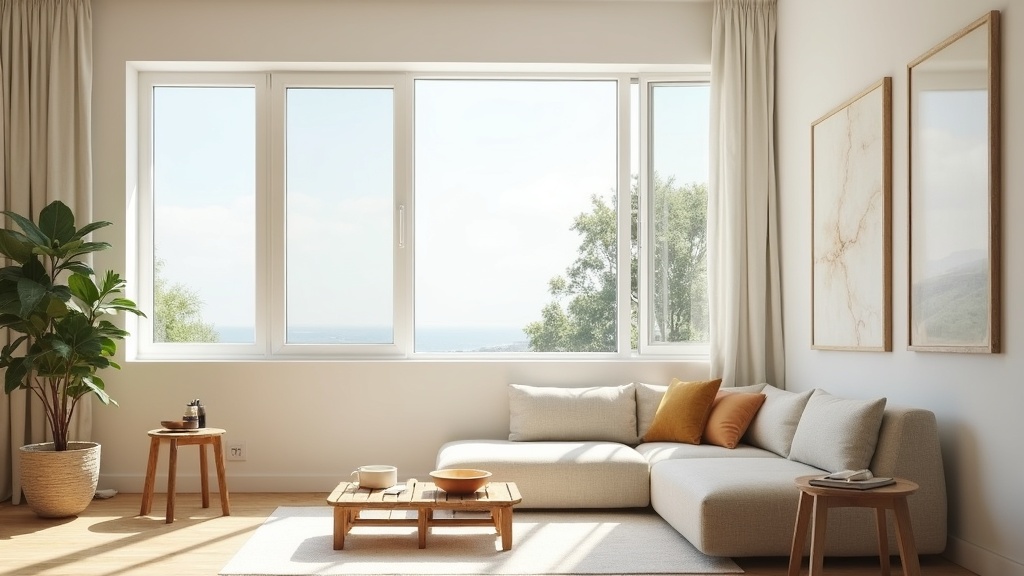
Lighting is a silent yet powerful aspect of design that can profoundly affect mood and functionality. Beyond just brightening a room, the right lighting can highlight architectural elements, set the tone of a space, and even influence productivity. Molly, an interior design expert, emphasizes the importance of layered lighting. "It's all about adjusting the light to suit the time of day and task at hand," she advises. Consider combining ambient lighting with task and accent lighting for a harmonious balance that adapts throughout the day.
Airflow: The Breath of Life
Good airflow doesn’t just keep a space comfortable; it promotes health and well-being. Opening windows to let fresh air circulate or using strategically placed fans can make a significant difference. Lucas, a sustainable living consultant, suggests incorporating plants that naturally purify the air. He explains, "Plants like snake plants and peace lilies not only improve air quality but also add a touch of nature’s calm to your space."
Declutter for Clarity
A clutter-free environment is key to a calm mind. Suzanne, an organizational specialist, underscores the value of regular decluttering. "Everything should have its place," she advises, "and what doesn’t fit should be edited out." This practice not only enhances the aesthetic appeal of a space but also reduces stress and increases productivity by creating an environment conducive to focus and creativity.
Intuitive Layouts that Enhance Function
A well-thought-out layout is integral to a functional space. Organize rooms to enhance flow and accessibility, focusing on the user’s path and needs. Ava, a layout strategist, notes, "Each piece of furniture should serve a purpose and complement the room’s energy." This might mean creating social zones in a living room or separating workspaces from relaxation areas.
Incorporating Multi-functional Furniture
Investing in multi-functional furniture can save space while increasing a room’s utility. Think storage ottomans, sleeper sofas, or extendable dining tables. Ethan, a furniture designer, points out that "multi-purpose pieces are not just practical, they're often more economical and sustainable." These furnishings adapt to different functions, supporting a clutter-free and efficient environment.
Chromotherapy: The Calming Effect of Color
Colors can evoke strong psychological responses, impacting the serenity and usability of your spaces. Maria, a color psychologist, shares insights on using specific hues to influence mood and function. "Blues and greens are known to be calming, making them ideal for relaxation spaces," she explains, "while yellows and oranges can enhance energy, perfect for work areas."
Utilizing Technology for a Smart Space
Integrating technology can simplify daily routines, making spaces more functional. From smart lighting systems to voice-controlled thermostats, technology can streamline operations while enhancing comfort. Oliver, a smart home consultant, advises starting with small upgrades. "You don’t need to overhaul everything at once; start with what maximizes your convenience and safety," he suggests.
Personal Touches: The Essence of Comfort
Finally, incorporating personal touches can enhance comfort and meaning in your spaces. Whether it's displaying family photos, treasured books, or artwork, these elements breathe life and personality into a room. As Iris, a lifestyle consultant, puts it, "Your environment should reflect your journey, dreams, and passions; it’s about creating a space that feels uniquely yours."