
In a world filled with chaos, your home should be your sanctuary. Discover how small, thoughtful tweaks can transform your living space into a haven of comfort and relaxation, making it easier to maintain a serene environment.
Optimize Your Space
The first step to an effortlessly comfortable living space is to optimize the layout. This doesn't mean knocking down walls or redesigning the entire room; sometimes, all it takes is a bit of strategic reshuffling. According to interior designer Maxine Chevalier, arranging your furniture to flow naturally with the room's structure encourages a sense of openness and ease. Consider the pathways you and your guests take around your home—clear and unobstructed paths contribute significantly to comfort and relaxation.
Embrace Soft Textures
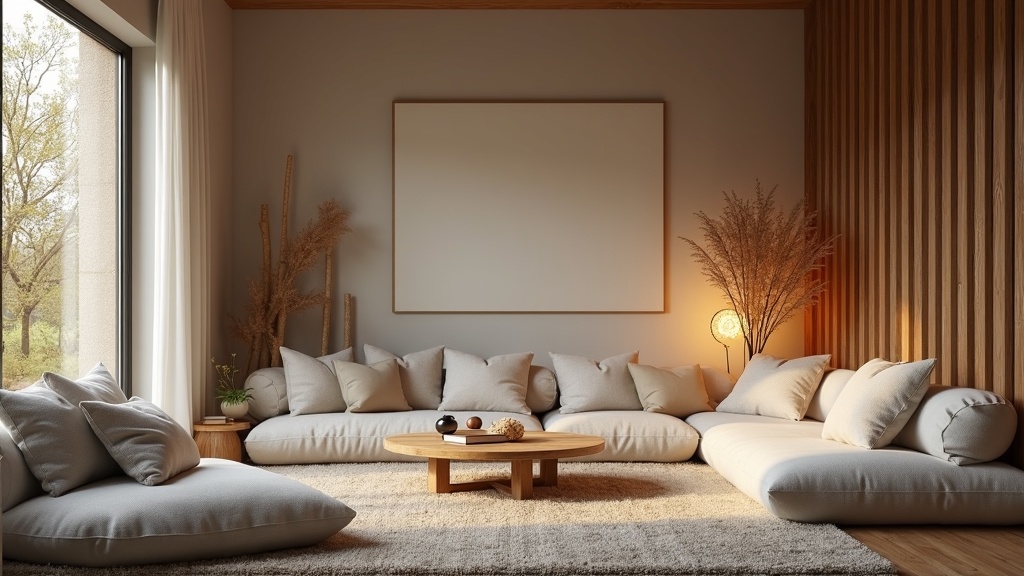
Soft textures visually and physically increase comfort levels. Introducing materials like faux furs, velvet, and wool can soften harsh lines and add warmth to a room. Designer Sonia Belafonte suggests incorporating these textures through accessories like throw blankets, cushions, and area rugs. The tactile experience can significantly impact your mood, enticing you into a state of calm and relaxation.
Play with Lighting
Lighting plays a crucial role in setting the tone of a room. Natural light is irreplaceable for creating an energetic and positive atmosphere. Nonetheless, when evening falls, having a versatile lighting system is key. Investment in dimmable lights allows you to adjust the mood to your liking. Lana Powers, a lighting consultant, emphasizes the importance of layering your lighting—combining ceiling lights, floor lamps, and table lamps creates dimension and coziness.
Declutter with Purpose
Decluttering isn’t just about getting rid of things; it’s about making room for what matters. Use the timeless advice of Emma Rosario, an organizer guru, who believes in keeping only items that add value or joy. This eliminates stress from your environment, because a clutter-free space opens up your room, making it more welcoming and easier to maintain. Evaluate periodically for relevance and sentimentality after each season.
Introduce Greenery
Plants are natural mood boosters and air purifiers. By bringing in elements from the natural world, you not only invite life into your space but also connect your home with tranquility. Choose plants that require minimal care such as succulents or snake plants, recommended by botanist Jakob Hernandez, which are hard to kill and add a touch of vibrancy and balance to any room.
Incorporate Personal Touches
Your home should be a reflection of who you are. Personal touches like family photographs, art pieces, and souvenirs from travels add a layer of comfort because they personalize your space. Artist Mia Tallarico states, 'When your space tells your story, it becomes the backdrop to your life’s movie, setting the stage for comfort and relaxation.'
Choose Soothing Colors
The color palette of your home has a significant impact on your emotional well-being. Soft, neutral tones like blues, greens, and greys are soothing and promote relaxation, as color psychologist Jordan Lin highlights. Moody hues like blush or olive can provide depth and drama without overwhelming the senses. Choose shades that speak to you and help you unwind.
Create Comfort Zones
Dedicated comfort zones within your home ensure there’s always a spot for unwinding. It could be a reading nook near a window, a cozy spot by the fire, or a hammock on the patio. Lifestyle expert Nina Clarke advises such distinct zones support a healthy balance between work and relaxation spaces, making it easier for inhabitants to signal their mind to relax and recharge consistently.
Invest in Quality Rest Furniture
At the end of the day, nothing beats sinking into a well-made bed or a sturdy sofa. Choosing high-quality furniture that holds beauty and longevity will sustain your comfort. Furniture designer Ethan Callum suggests prioritizing investment in pieces that promise rest, such as memory foam mattresses, ergonomic chairs, or deep-cushioned sofas. Consistent comfort begins with the right support.