
In our fast-paced world, finding tranquility within our living spaces is more important than ever. Creating a relaxed atmosphere at home is not just about aesthetics — it’s about cultivating an environment that rejuvenates and revitalizes. Dive into this guide that unveils relaxation habits that help transform your living space into a haven of peace and comfort.
Declutter for Clarity
The foundation of a restful living space begins with eliminating clutter. As Maggie Flores, an interior wellness coordinator, puts it, 'A tidy room equals a tidy mind.' It's essential to keep surfaces uncluttered and organized. Consider storage solutions like elegant baskets or stylish shelving units that seamlessly blend function with fashion. The psychological relief you feel upon entering a neat room is unparalleled.
Embrace Nature Indoors
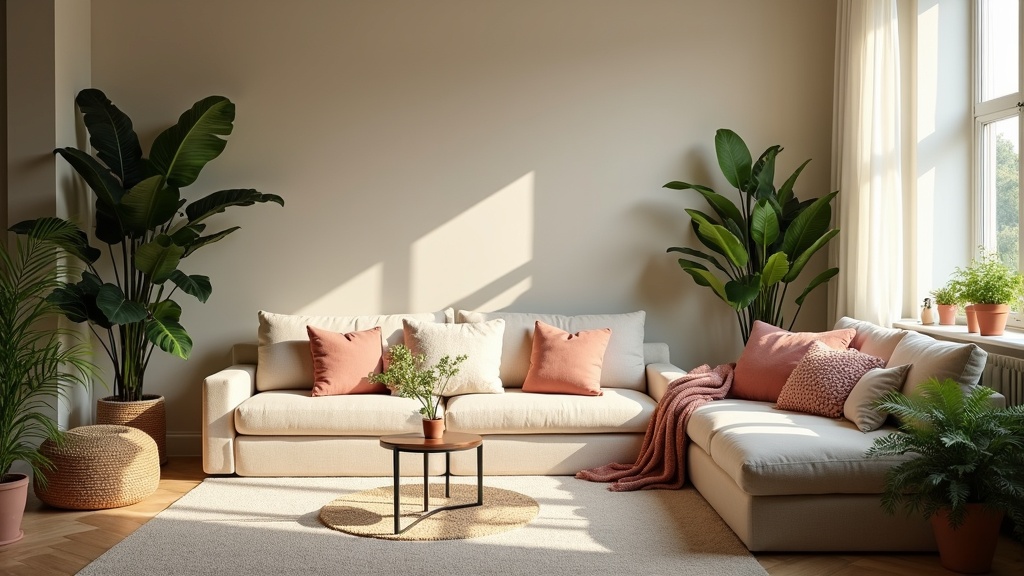
Bringing elements of nature indoors can significantly enhance relaxation. While large plants make a statement, even a simple potted succulent can connect you with the earth. Ben Li, a botanical decorator, suggests incorporating greenery to cleanse the air and provide visual tranquility. The green hues in plants are naturally soothing and encourage a sense of calm.
Soothing Color Palette
Choosing a palette that promotes relaxation is vital. Soft, neutral tones inspire serenity better than bright, aggressive hues. Samantha Reaves, a color psychology expert, recommends shades of blue, green, and lilac which are proven to lower stress levels and boost mood. Accentuate these hues with natural wood or stone to enhance the calming ambiance.
Textile Textures
Textiles play a pivotal role in creating a cozy environment. From plush cushions to wool throws, textures add a tactile dimension that exudes warmth and comfort. Arrange seating with soft fabrics to invite lounging and relaxation. Velvet, cotton, and linen are superior choices for creating a sensorial retreat within your living room.
Tailored Lighting
Lighting can dramatically influence how comfortable and relaxed a room feels. Opt for lighting that mimics natural light during the day, such as sheer curtains that let in sunshine, and soft, warm lighting in the evenings. Nathan Lane, a lighting consultant, recommends dimmable lights and the use of lampshades to diffuse harsh glares.
Aroma Therapy
Scents can transport you to tranquility within seconds. Use essential oil diffusers or scented candles to introduce calming fragrances like lavender, jasmine, or sandalwood into your space. Julia Hooper, an aromatherapy specialist, notes that scent is intimately connected to mood, making it an invaluable tool for relaxation.
Mindful Furniture Arrangement
Furniture positioning impacts not just the functionality but also the flow of your living space. Arrange furniture with balance and symmetry in mind, promoting an open and inviting atmosphere. This thoughtful layout encourages movement and interaction among family members, enhancing the room's restful vibe.
Personal Zen Nook
Create a personal nook dedicated to relaxation and mindfulness. Whether a window seat, a meditation corner, or an alcove with a rocking chair, this space should cater to your individual needs for retreat. Fill it with items that promote peace — books, calming music, or a small water fountain.
Consistency in Ambiance
Consistency is key when it comes to maintaining a relaxing living space. Implement a regular cleaning and tidying schedule that ensures your oasis remains clutter-free and serene. Emily Tran, a home harmony advisor, emphasizes making relaxation a daily habit through consistent upkeep, which instills an enduring sense of peace and balance.