
Creating a space that feels like a sanctuary goes beyond mere aesthetics—it's about nurturing comfort and functionality in every corner of your home. Dive into these practical strategies, inspired by everyday lives, to bring peace and ease into your dwelling.
A Glow That Feels Like Home
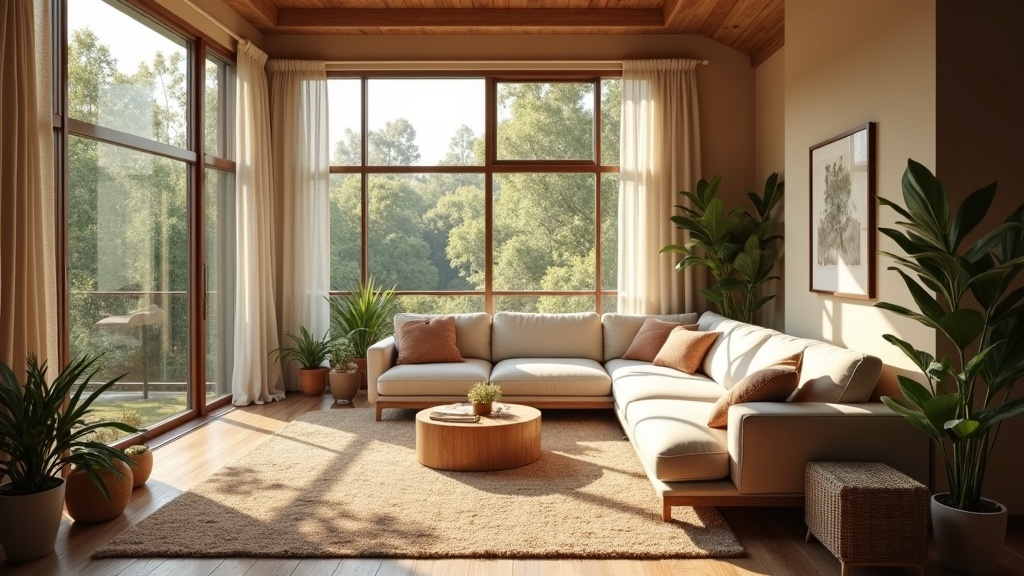
Lighting plays a pivotal role in shaping the ambiance of your house. Mia, an interior decorator, believes that layering lights can change the entire vibe of a room. Combine natural light with soft overhead fixtures and well-placed lamps to create warmth and versatility. Different levels and sources of light can be adjusted to match the activity or mood you're aiming for, making rooms feel both functional and inviting.
Breathe Fresh, Live Fresh
Airflow is an often overlooked aspect of home comfort. Carlos, a home ventilation expert, suggests regularly opening windows and using fans strategically to keep the air circulating. Adding indoor plants not only enhances air quality but also brings a touch of nature indoors. Integrating these practices helps eliminate stale air, refreshes the atmosphere, and keeps your space feeling rejuvenated.
Cleanliness: The Root of Serenity
A clean home feels like a blank canvas, offering an underlying sense of comfort. Amelia, a lifestyle blogger, emphasizes starting with daily small tasks—like decluttering countertops and creating a cleaning schedule. When each room feels tidy, it frees up mental space and reduces stress, making the home truly a place to unwind.
Layout: Dance of Space
Optimizing the layout of a room maximizes its potential and ensures comfort. Marcus, an architect, advises leveraging the natural flow of movement. Make sure major pathways remain unobstructed and that furniture is arranged for social interaction without sacrificing ease of passage. Such thoughtful layout planning enhances both comfort and functionality.
Function Meets Style
Incorporate functional furniture that doesn't just look good but serves multiple purposes. Julia, a furniture designer, suggests using multifunctional pieces like storage ottomans or convertible sofas. This way, style and utility coexist harmoniously, making spaces adaptable to various daily needs.
Daily-Use Items That Matter
The items you use every day should be efficient and easy to access. For example, Anna, who runs a busy household, keeps her go-to items within reach in all key living areas. Creating designated spaces for things like keys, charging stations, or coffee supplies reduces frustration and enhances daily productivity, thereby increasing overall comfort.
Textural Trends: Embrace the Touch
Texture adds depth and comfort to your home environment. Natalia, a textile expert, highlights the use of varied textures—like plush cushions, knitted throws, and seasonal fabrics. Mixing textures in each room invites you to not just see your surroundings but to feel them. This sensory experience adds a rich layer to the perception of comfort.
Personalized Nooks for Micro-Breaks
Carve out small, personalized spaces for relaxation and reflection. Caleb, who works from home, transformed a corner of his dining room into a reading nook. These mini sanctuaries, filled with personal touches and calming colors, offer pockets of tranquility amidst busy days, inviting moments of respite and comfort.
Seasonal Adjustments for Year-Round Comfort
Adapt your home as seasons change to maintain an inviting atmosphere. Jade, a home decor enthusiast, swaps out heavy drapes for lighter curtains in the summer and adds cozy blankets in the winter. Making small seasonal shifts ensures your home remains a refuge regardless of the weather outside.