
How we arrange our living spaces can significantly impact our comfort levels, influencing everything from mood to productivity. In this piece, we delve into how optimizing airflow and making thoughtful layout choices can transform the quality of our daily lives at home.
Breezing Through: The Role of Optimal Airflow
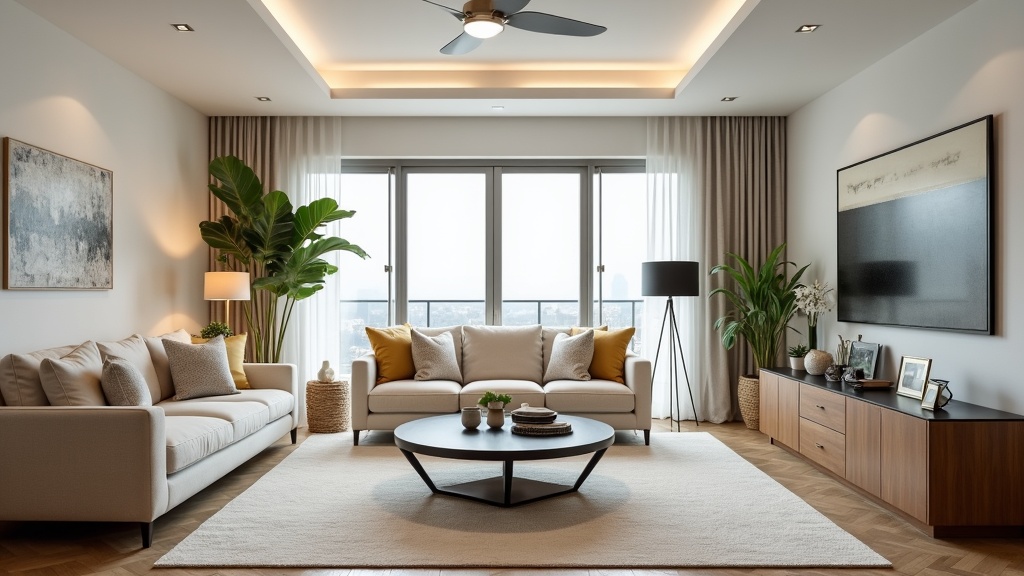
Creating an environment with good airflow is crucial for maintaining a comfortable atmosphere in your home. Not only does it help with temperature regulation, but it also reduces humidity and prevents the growth of mold. Poor airflow can lead to discomfort, affecting both physical and mental wellbeing. Making adjustments can be as simple as rearranging furniture to ensure air can circulate freely or investing in fans or air purifiers.
The Invisible Design Element: Air Quality
The quality of air within a space is an often overlooked aspect when it comes to comfort. Clean air leads to better health and heightened energy levels. Consider incorporating air-purifying plants or hypoallergenic materials into your home design to naturally enhance air purity. This approach not only supports your health but also elevates the aesthetic appeal of your space.
Strategically Lit: Lighting Choices That Impact Comfort
Lighting plays a critical role in setting the mood and function of a space. Natural light should be maximized where possible, while artificial lights should complement the space's purpose—be it relaxation, work, or entertainment. The correct lighting can lift spirits, enhance focus, and create a welcoming environment. Consider installing dimmers and layering lighting sources to achieve flexibility and comfort in your daily activities.
Open Floor Plans: Function Over Form
Open floor plans remain popular due to their ability to foster connectivity and ease of movement within a home. They enhance airflow and increase social interaction, making them ideal for family and group settings. However, defining zones within an open plan is essential to maintaining both function and organization. Use rugs, furniture arrangement, or lighting variations to subtly designate different areas without compromising flow.
Daily Traffic Patterns: Streamlining Movement
Understanding how you move through your space daily can guide more efficient layout choices. Identify areas where traffic congestion frequently occurs and consider modifications such as widening paths or eliminating unnecessary furniture. Simplifying movement reduces stress and enhances comfort by promoting a seamless transition from one activity to another within your home.
Less is More: Declutter to Create Breathing Space
A clutter-free space is not only visually pleasing but also promotes mental clarity and relaxation. Embrace minimalism by integrating smart storage solutions and regularly assessing the necessity of each item in your home. A well-organized environment supports functionality and encourages a stress-free lifestyle, ultimately improving overall comfort.
The Ergonomics of Design: Fitting Comfort Into Function
Ergonomic design is a key component of a comfortable living environment. Furniture and accessories should support the body's natural posture and movements. Choose items that offer adjustability and support where needed, especially in work-from-home setups, to prevent strain and injury. Comfort in design translates to ease in daily function, enhancing your overall quality of life.
Balancing Aesthetics with Purpose
While aesthetics are important, they shouldn't overshadow the utility and comfort of a space. Each design choice should serve a dual purpose: to please the eye and to meet daily needs efficiently. Select decor that reflects personal style but also contributes to the room's overall function, ensuring that beauty and comfort coexist harmoniously.